
A Clear Breakdown Of Macedonian Dialects And Regional Accents

Author
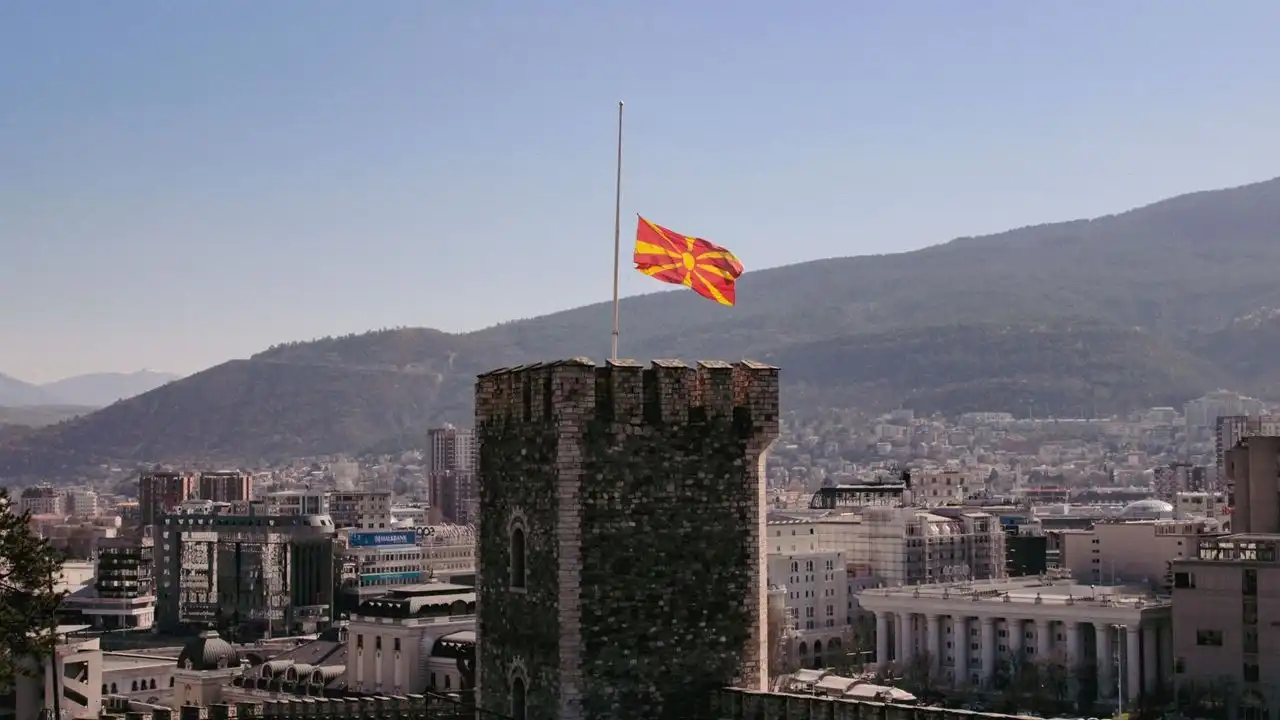
Macedonian is a fascinating language with a rich variety of regional dialects.
The way people speak in the capital city of Skopje sounds completely different from how they speak in the southern city of Bitola.
Linguists divide the Macedonian language into three main dialect groups.
These groups are the Western, Eastern, and Northern dialects.
Understanding these regional differences will help you sound more natural when speaking with locals.
I’ll explain exactly how these dialects differ in pronunciation, grammar, and vocabulary.
Table of Contents:
Western Macedonian dialects
The Western dialect group is the most important one for language learners to know.
This is because the modern standard Macedonian language is based entirely on the West-Central dialects.
Cities like Prilep, Bitola, and Veles fall into this specific language region.
When you learn Macedonian from textbooks or courses, you’re learning a polished version of this Western dialect.
One defining feature of Western Macedonian is the fixed word stress.
The stress almost always falls on the third-to-last syllable of a word.
Western dialects also distinctly pronounce all their vowel sounds clearly.
Locals in the southwest also use unique regional vocabulary that you won’t hear anywhere else.
For example, people in Bitola famously use the word čupe for “girl” instead of the standard word devojka.
Eastern Macedonian dialects
The Eastern dialects are spoken in cities like Štip, Strumica, and Delčevo.
These regional accents share many similarities with the neighboring Bulgarian language.
The most noticeable difference in the East is how people stress their words.
Instead of a fixed stress on the third-to-last syllable, Eastern dialects have variable word stress.
The emphasis can unexpectedly land on any syllable in a word.
Eastern speakers also tend to drop or reduce certain vowel sounds when speaking quickly.
You’ll also hear different greetings in the East.
Instead of just asking “how are you”, Eastern speakers often use the word arno (good) to ask if you’re well.
Арно ли си?
Northern Macedonian dialects
The Northern dialects are spoken around Kumanovo, Tetovo, and the surrounding rural areas.
These dialects border Serbia and are heavily influenced by the Serbian language.
Northern Macedonian is often considered part of a transitional language bridge called the Torlakian dialect.
In the city of Kumanovo, the local dialect is so thick that even native Macedonians from the south struggle to understand it.
Northern speakers often drop the definite article suffixes that standard Macedonian relies heavily on.
They also use a lot of borrowed Serbian vocabulary in their everyday speech.
The Skopje city slang
Skopje is a melting pot of different regional accents and dialects.
Because it’s the capital, people from all over the country move there for work and study.
The traditional historical Skopje dialect is technically part of the Northern group.
However, modern young people in Skopje speak a unique urban slang.
This street language mixes standard Macedonian with Serbian, English, and Turkish loanwords.
They also drop consonants to speak faster.
Here’s an example of standard Macedonian compared to common Skopje slang:
Што правиш?
Шо праиш?
How word stress changes by region
Word stress is the easiest way to identify where a Macedonian speaker is from.
Standard Macedonian requires you to stress the antepenultimate syllable.
This simply means you put the emphasis on the third-to-last vowel.
Western speakers follow this rule naturally in their daily lives.
Eastern speakers completely ignore this rule and stress words unpredictably.
Northern speakers often stress the first syllable of a word, similar to how it’s done in Serbian.
Here’s a quick summary table of regional vocabulary and slang differences:
| English | Standard Macedonian | Regional Slang | Region |
|---|---|---|---|
| Girl | Девојка (Devojka) | Чупе (Čupe) | South-West (Bitola) |
| What are you doing? | Што правиш? (Što praviš?) | Шо праиш? (Šo praiš?) | North (Skopje) |
| I | Јас (Jas) | Ја (Ja) | North |
| Good | Добро (Dobro) | Арно (Arno) | East / South |
Which dialect should you learn
Foreigners should exclusively focus on learning standard Macedonian.
Standard Macedonian is understood perfectly by everyone in the country.
All television broadcasts, newspapers, and official documents use the standard form.
Once you reach an advanced level, you can start picking up local slang based on where you live or visit.
Focusing on the standard language gives you the best foundation for clear communication.
