
Macedonian Family Vocabulary And Traditional Naming Customs

Author
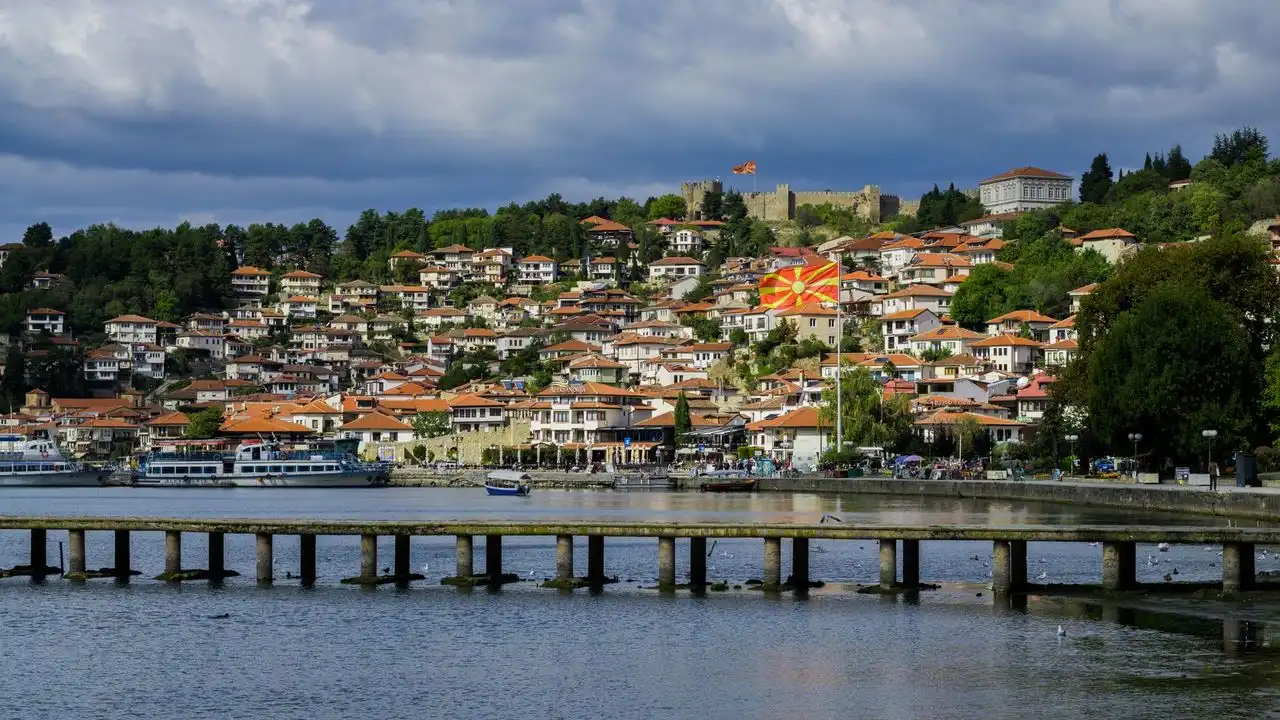
Family is the central pillar of Macedonian culture and daily life.
Learning how to talk about your relatives is an essential step in your language journey.
Macedonian has a very specific and descriptive vocabulary for family members.
The words you use will often change depending on which side of the family a person belongs to.
Macedonian naming customs also carry deep historical roots and meaning.
This guide provides a clear breakdown of family vocabulary and explains the unique traditions behind Macedonian names.
Table of Contents:
Immediate family vocabulary
In Macedonian, there are two distinct words for family.
The word semejstvo (семејство) refers to your immediate family living in your household.
The word familija (фамилија) is used to describe your broader extended family and bloodline.
Here’s the essential vocabulary for your immediate family members.
| English | Macedonian | Transliteration |
|---|---|---|
| Family | Семејство / Фамилија | Semejstvo / Familija |
| Mother | Мајка | Majka |
| Father | Татко | Tatko |
| Parents | Родители | Roditeli |
| Son | Син | Sin |
| Daughter | Ќерка | Ḱerka |
| Children | Деца | Deca |
| Brother | Брат | Brat |
| Sister | Сестра | Sestra |
| Husband | Сопруг / Маж | Soprug / Maž |
| Wife | Сопруга / Жена | Sopruga / Žena |
Here are a few ways you can introduce your immediate family members in conversation.
Ова е мојот брат.
Моите родители живеат во Скопје.
Extended family members
Macedonian extended family vocabulary is highly specific.
Unlike English, Macedonian has different words for aunts and uncles depending on whether they are from your mother’s or father’s side.
A father’s brother is your striko, while a mother’s brother is your vujko.
Your aunt is your tetka, regardless of which side of the family she comes from.
However, the wives of your uncles also get specific titles, such as strina and vujna.
Here’s a breakdown of extended family terms.
| English | Macedonian | Transliteration |
|---|---|---|
| Grandmother | Баба | Baba |
| Grandfather | Дедо | Dedo |
| Grandson | Внук | Vnuk |
| Granddaughter | Внука | Vnuka |
| Uncle (father’s brother) | Стрико | Striko |
| Uncle (mother’s brother) | Вујко | Vujko |
| Uncle (aunt’s husband) | Тетин | Tetin |
| Aunt (parent’s sister) | Тетка | Tetka |
| Aunt (father’s brother’s wife) | Стрина | Strina |
| Aunt (mother’s brother’s wife) | Вујна | Vujna |
| Cousin (male) | Братучед | Bratučed |
| Cousin (female) | Братучетка | Bratučetka |
In-laws and marriage terms
Marriage brings a whole new set of vocabulary in the Macedonian language.
Your titles for your spouse’s parents depend completely on your own gender.
A husband calls his wife’s parents test and teshta.
A wife calls her husband’s parents svekor and svekrva.
The words for son-in-law (zet) and daughter-in-law (snaha) are also used to describe brothers-in-law and sisters-in-law.
| English | Macedonian | Transliteration |
|---|---|---|
| Father-in-law (husband’s father) | Свекор | Svekor |
| Mother-in-law (husband’s mother) | Свекрва | Svekrva |
| Father-in-law (wife’s father) | Тест | Test |
| Mother-in-law (wife’s mother) | Тешта | Teshta |
| Son-in-law / Sister’s husband | Зет | Zet |
| Daughter-in-law / Brother’s wife | Снаа | Snaha |
Traditional Macedonian naming customs
Macedonian naming customs are deeply tied to family heritage and the Orthodox Christian faith.
These traditions help keep family history alive across multiple generations.
Here are the three most prominent naming customs in Macedonian culture.
Patronymic middle names
Macedonians don’t typically have traditional middle names like people in Western countries do.
Instead, a child’s middle name is a patronymic, which is derived from the father’s first name.
A suffix is added to the father’s name to indicate “son of” or “daughter of”.
For males, the suffix is usually -ov or -ev.
For females, the suffix is usually -ova or -eva.
If a man named Petar has a son named Jovan, the son’s full name becomes Jovan Petrov [Last Name].
If Petar has a daughter named Marija, her full name becomes Marija Petrova [Last Name].
Naming children after grandparents
It’s a long-standing tradition to name a newborn child after their grandparents.
The firstborn son is traditionally named after his paternal grandfather.
The firstborn daughter is usually named after her paternal grandmother.
Second children are often named after the maternal grandparents.
This custom ensures that family names survive indefinitely and honors the elders of the family.
Celebrating name days (Imenden)
A significant part of Macedonian culture revolves around Imenden, or Name Day.
Most traditional Macedonian names are tied to Orthodox Christian saints.
Instead of only celebrating birthdays, Macedonians heavily celebrate the feast day of the saint they are named after.
On a person’s name day, friends and family visit their home to celebrate without needing an official invitation.
You’ll often hear the following phrase used to congratulate someone on their name day.
Нека ти е вечно името!
Understanding these family terms and traditions will give you incredible insight into the Macedonian way of life.
