
Popular Macedonian Slang Words And Everyday Idioms

Author
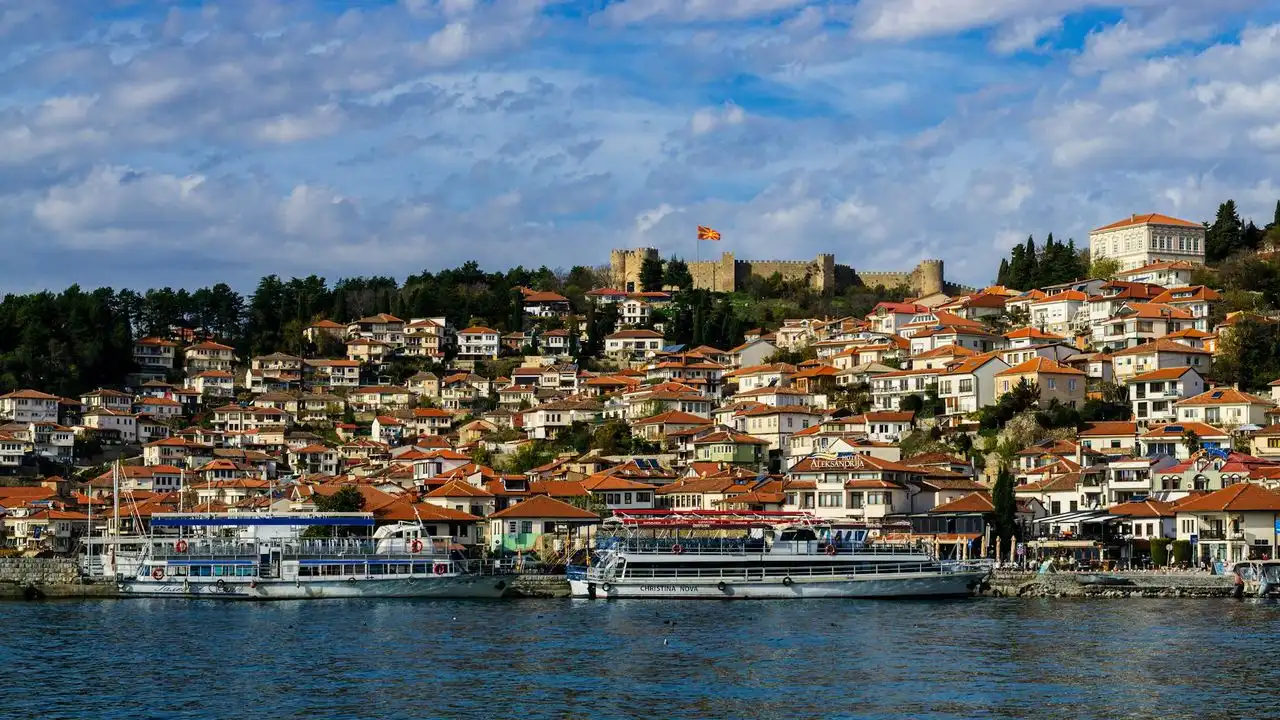
Learning local slang and idioms is the fastest way to sound like a native Macedonian speaker.
Textbooks teach you the formal rules of the language.
Native speakers rely heavily on informal expressions, colorful idioms, and street slang in their daily lives.
Understanding these casual phrases will drastically improve your everyday conversations.
It’ll also help you connect much better with locals when you visit North Macedonia.
I’ll explain the most popular slang words and everyday idioms used across the country.
Table of Contents:
Common Macedonian slang words
Macedonians use several short filler words and slang terms in almost every casual conversation.
Many of these words don’t translate perfectly into English.
Instead, they carry an emotional meaning depending on how you say them.
Here’s a table of the most common Macedonian slang words.
| Slang Word (Cyrillic) | Transliteration | Meaning |
|---|---|---|
| Леле | Lele | Oh my god / Wow / Oh no |
| Брат | Brat | Bro / Brother / Mate |
| Абе | Abe | Hey / Listen here |
| Топ | Top | Awesome / Great / Perfect |
| Закон | Zakon | Epic / Extremely cool (literally: law) |
The word lele is easily the most used exclamation in the Macedonian language.
You can use it to express shock, excitement, or frustration.
Леле, колку е убава хранава!
The word brat literally means “brother” in standard Macedonian.
However, younger generations use it as a casual term of endearment for friends of any gender.
Брат, што правиш денес?
When something is absolutely fantastic, locals will simply say top.
Забавата беше топ.
Everyday Macedonian idioms
Idioms are phrases that have a figurative meaning different from their literal words.
Macedonian is a highly expressive language filled with creative idioms.
Here are a few popular ones that you’ll hear on a daily basis.
Пука филм (Puka film)
The literal translation of this phrase is “the film snaps” or “the film pops”.
Macedonians use this idiom to describe someone who has suddenly lost their patience or temper.
It implies that a person just couldn’t handle a situation anymore and snapped.
Ми пукна филм и си заминав.
Му лета паметот (Mu leta pametot)
This idiom translates literally to “his mind is flying”.
It’s used to describe someone who’s daydreaming, easily distracted, or acting foolishly.
Teachers frequently say this to students who aren’t paying attention in class.
Не ме слушаш, ти лета паметот.
Здравје (Zdravje)
The word zdravje simply means “health” in Macedonian.
However, as an everyday idiom, it’s used to say “oh well” or “we’ll try again next time”.
Locals use it when plans fail or things go wrong, indicating that as long as you have your health, nothing else matters.
Не победивме на натпреварот, ама здравје.
Regional slang variations in Macedonia
Macedonia is a small country, but the slang changes significantly depending on the city.
The slang spoken in the capital city of Skopje is quite different from the southern and eastern regions.
For example, the word for a young girl in standard Macedonian is devojche (девојче).
If you travel to southern cities like Bitola, Prilep, or Ohrid, locals use the regional slang word chupa (чупа) instead.
Тоа чупа е многу убаво.
In the eastern city of Strumica, people have a very unique dialect and their own local vocabulary.
Instead of saying kako si (како си) for “how are you”, people from Strumica often say oti pravish (оти правиш), which translates closer to “what are you doing”.
Learning these regional differences makes speaking Macedonian much more fun and engaging.
Using local slang correctly will always earn you a warm smile and instant respect from native speakers.
